Winner Story
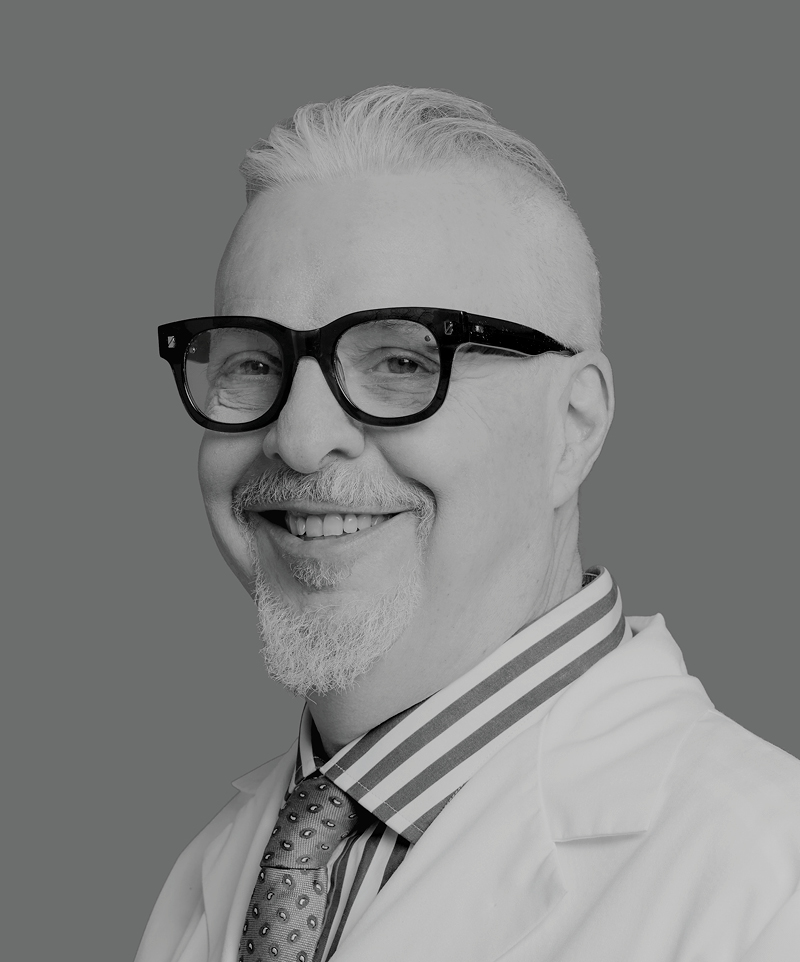
To see most doctors in the city, typically you have to book an appointment, confirm your insurance information, check in with a receptionist, and wait to be seen — but not with Dr. Dave Ores. A community doctor based in the Lower East Side, you can see Dr. Dave at a park booth in the East Village or at his “pay what you can” practice, where he has no staff and personally answers all calls and requests himself. For more than three decades, his life’s work has been centered on one mission: providing accessible medical care to uninsured and underserved New Yorkers.
New Yorkers are often initially skeptical — a tattooed, motorcycle-driving Columbia Medical School graduate who runs a practice with no staff and has quite the direct communication style. But it’s real, and has been for the last 30 plus years. Throughout his career, Dr. Dave has built programs rooted in one simple belief: Healthcare should be available to anyone who needs it at any age. He hosts “Pay What You Can Wednesdays,” where patients can choose what they can afford to pay, he provides free medical care to restaurant workers in the area funded by participating restaurants, and has offered free tattoo removals for former survivors of trafficking or gang members needing a restart. And on some days, you can find him at his Tompkins Square Park booth inviting anyone to “ask a doctor anything.”
Dr. Dave runs his practice this way because he doesn’t believe in the for-profit healthcare structure. He sees great potential in more providers adopting his “something or nothing clinic” approach, where he spends as much time needed with patients, refers them to any appropriate specialists when necessary, and doesn’t perform unnecessary tests driven by insurance requirements rather than patient needs.
His commitment to accessible care is rooted in his upbringing. He attributes his interest in medicine to his curious personality and his commitment to community service from his parents. His mother worked with cystic fibrosis patients and his father worked with veterans. He is the byproduct of physician parents who demonstrated to him the value of helping patients without seeking recognition or financial gain.
Today, he carries that legacy forward, bringing his vision of universal healthcare to the streets of New York City.